Sign up for a free trial class today! - Email us at info@MVBfc.com to get started

Why Your Child Freezes in Soccer Games and How to Fix It | Kids Soccer Training Mississauga
Why your child freezes in soccer games and how to fix it. Learn how scanning, passing activation, and simple drills help kids play with confidence today now.
KIDS SOCCERSOCCER TRAINING TIPSBALL MASTERYYOUTH SOCCER MISSISSAUGACONFIDENCE IN SPORTSPARENT RESOURCES
MVB F.C.
4/14/20264 min read
You’ve probably seen it.
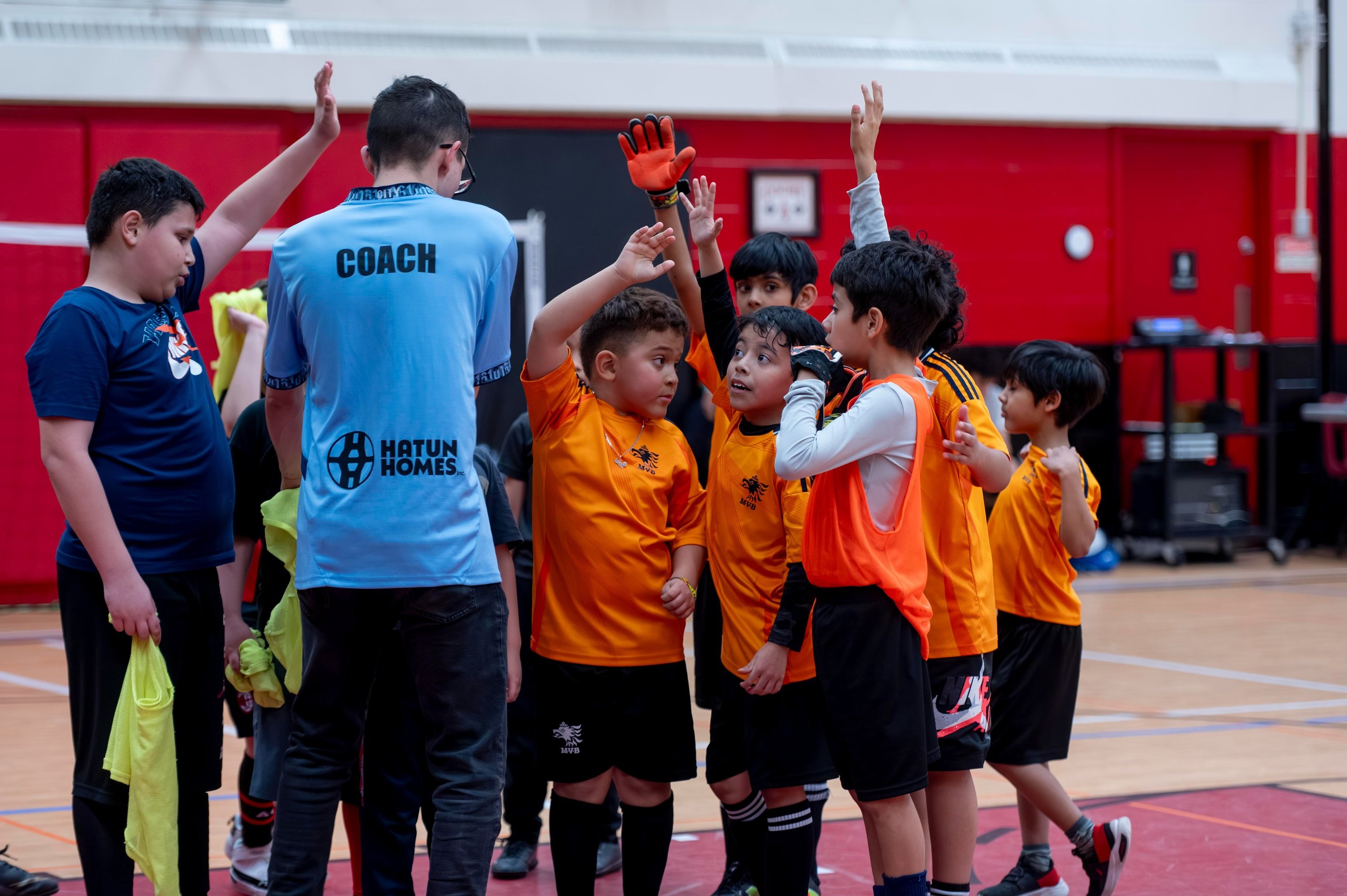
Your child looks confident in training, but during a game, they hesitate, rush a pass, or seem unsure of what to do next.
Why does this happen?
There isn’t always one reason.
Young players may feel pressure during competition, worry about making mistakes, lack confidence, or simply need more experience recognizing what is happening around them.
The American Academy of Pediatrics notes that organized sports can bring difficult emotions such as frustration and anxiety, and that young athletes benefit from developing skills to recognize and manage these emotions.
Source: American Academy of Pediatrics
3 Mental Skills Children Need for Sports
At MVB F.C., one area we can help players develop on the field is awareness and decision-making.
That means learning to look around before receiving the ball, recognize available options, and prepare for the next action.
For many young players, developing this habit can make game situations feel less rushed.
Why Kids May Hesitate During Games
Training and games are different environments.
During a game, players have teammates moving, opponents applying pressure, space constantly changing, and decisions that need to be made quickly.
For younger players, these demands can be challenging.
The American Academy of Pediatrics notes that children develop physical, mental, and social sports skills at different rates. Younger players may still be developing the coordination and understanding needed for more complex decisions, strategies, and teamwork.
Source: American Academy of Pediatrics
Is Your Child Ready for Sports?
This is why hesitation during a game does not automatically mean a child lacks talent or ability.
Sometimes they simply need more experience and opportunities to develop their understanding of the game.

One Skill That Can Help: Scanning
One important soccer skill we work on at MVB F.C. is scanning.
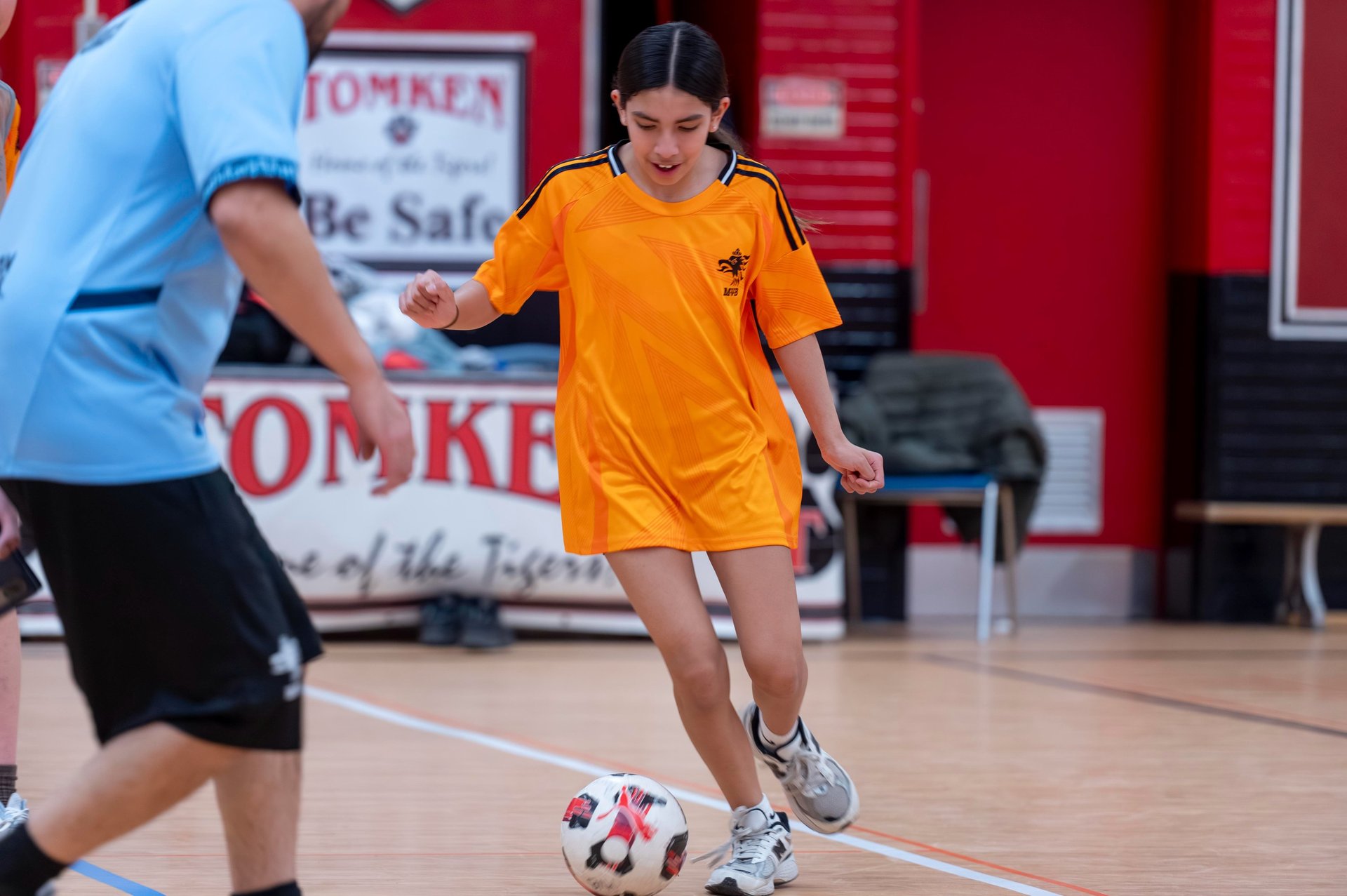
Scanning means looking at what is happening around you before receiving the ball.
Instead of waiting until the ball reaches their feet to decide what to do, we encourage players to begin gathering information earlier.
They can look for:
• Teammates
• Opponents
• Open space
• Where the pressure is coming from
• Possible options for their next action
The goal is simple:
Help players become more aware of what is happening around them before the ball arrives.
Soccer Awareness Training for Kids in Mississauga
As players develop, soccer becomes about more than controlling and passing the ball.
They also begin learning how to recognize space, understand what is happening around them, and make decisions during play.
That is why awareness and decision-making are part of our training at MVB F.C.
We want players to develop their technical skills while also learning how to use those skills in game situations.
What Is Passing Activation
At MVB F.C., we use passing activation exercises in many of our training sessions.
These exercises combine:
• Movement
• Awareness
• Passing and receiving
• Decision-making
• Execution
Instead of simply passing the ball back and forth, players are encouraged to observe what is happening before receiving it.
The goal is to begin connecting technical skills with awareness.
The Fix: Train the Moment Before the Ball
The solution is simple, but very specific:
👉 Train players to scan before receiving
This is where everything changes.
In the video below, you’ll see one of our passing activation exercises designed exactly for that.
🎥 Watch it here: https://youtube.com/shorts/yPSqVPra5oc
One of Our Passing Activation Exercises (See this drill in action 👆)
This exercise may seem simple, but a lot is happening inside it.
Setup:
3 cones arranged in a V shape
2 players working together
1 player starts with the ball
1 player moves between cones to receive
What Actually Happens in the Drill
This is the key part parents usually don’t notice.
The player receiving the ball is not just moving and passing.
They are following a sequence:
The player moves toward one of the cones
Before the ball is passed, they scan over their shoulder
That quick scan helps them understand their next action
As the ball arrives, they are already prepared
They receive with intention
They pass and move toward the next cone
Then the pattern repeats.
What This Drill Is Really Teaching
This is not just a passing drill.
It trains:
👉 Scan → Understand → Receive → Play
The player is not guessing.
They are learning to:
Prepare early
Make faster decisions
Play with confidence
This is the fix in action.
Why Repetition Is Key
This kind of behavior only becomes natural through repetition.
In a real game:
Everything is faster
Space changes constantly
Pressure is real
👉 There is no time to think slowly
So the brain needs patterns.
And patterns come from doing the same action many times.
Why We Use Repetition at MVB F.C.
At MVB F.C., repetition is intentional.
We use exercises like this to:
Build automatic habits
Reduce hesitation
Increase confidence
Prepare players for real game situations
We are not just training passing.
👉 We are training how to think in the game
What Parents Can Do
If your child hesitates during games, try not to immediately interpret it as a lack of effort or ability.
Instead, ask questions that help you understand their experience.
You might ask:
What did you see when you received the ball?
Did you feel like you had enough time?
What other option do you think you had?
What would you try next time?
Keep the conversation focused on learning rather than criticizing individual mistakes.
The American Academy of Pediatrics recommends that youth sports emphasize effort, progress, skill development, participation, and enjoyment rather than focusing only on performance or winning.
Source: American Academy of Pediatrics
3 Mental Skills Children Need for Sports
Try This at Home
You don’t need a full setup to start building this habit.
Simple version:
Stand behind your child
Call out “left” or “right” or show a number
They must scan before receiving
Then control and pass in that direction
Keep it simple, but consistent.
Final Thought
If your child freezes in games, it doesn’t mean they lack ability.
It usually means they are reacting too late.
👉 And that can be fixed
By training:
Awareness before receiving
Faster decisions
Repetition of the right habits
And once that clicks…
👉 The game slows down, and everything changes 🧡
Ready to Help Your Child Play with Confidence?
At MVB F.C., we don’t just train skills.
We train how players think, move, and make decisions in real game situations.
If you want your child to:
Stop hesitating
Play with confidence
Understand the game
📩 Message us to book a free trial
⚽ Come experience a session and see the difference
Watch how we train this in action 👆