Sign up for a free trial class today! - Email us at info@MVBfc.com to get started

10 Things Parents Should Say After a Youth Soccer Game (and 5 Things to Avoid)
10 Things Parents Should Say After a Youth Soccer Game and 5 to avoid. Learn how to help kids handle wins, losses, and frustration while building confidence.
MVB F.C.
3/10/20264 min read
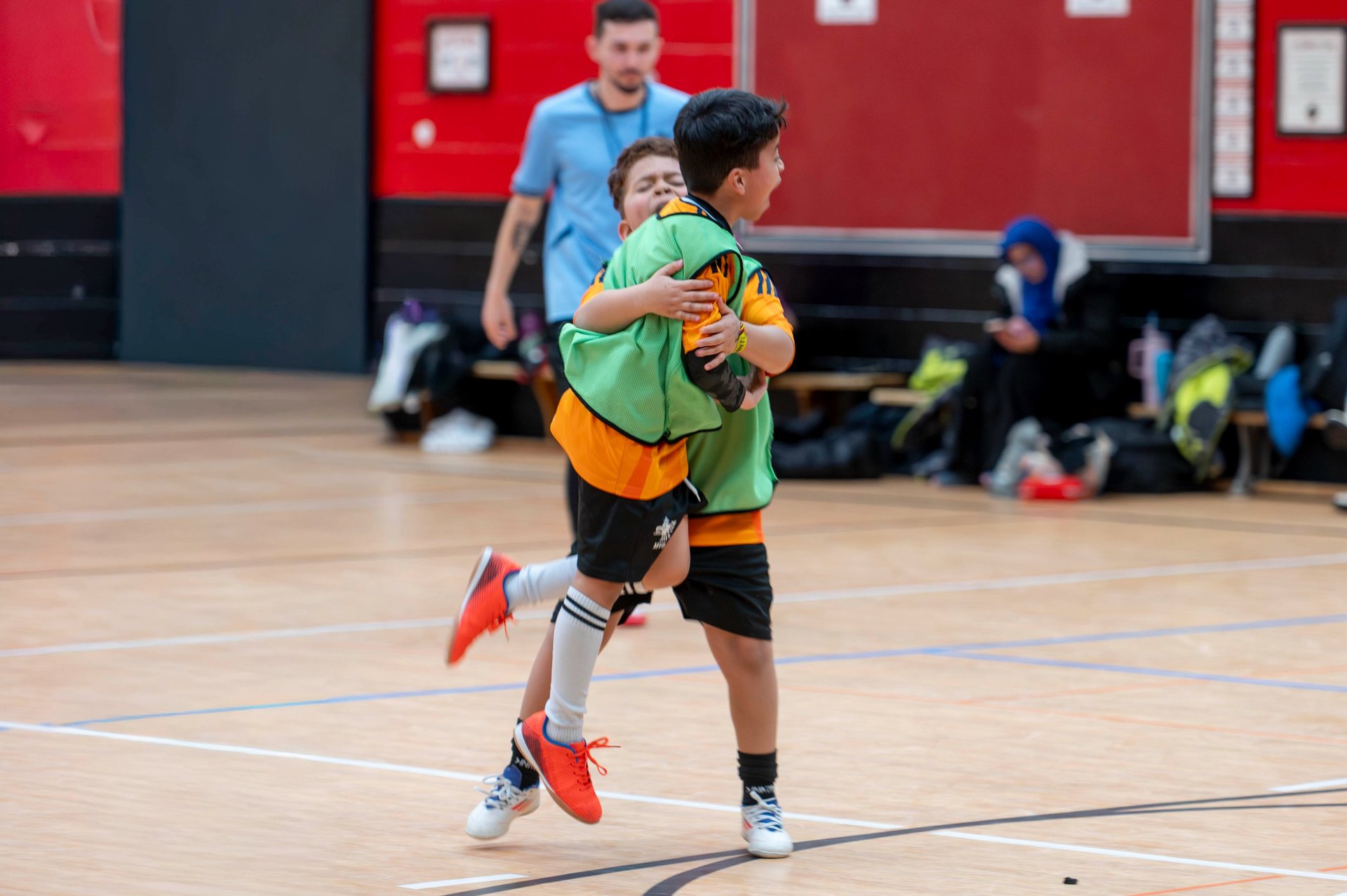
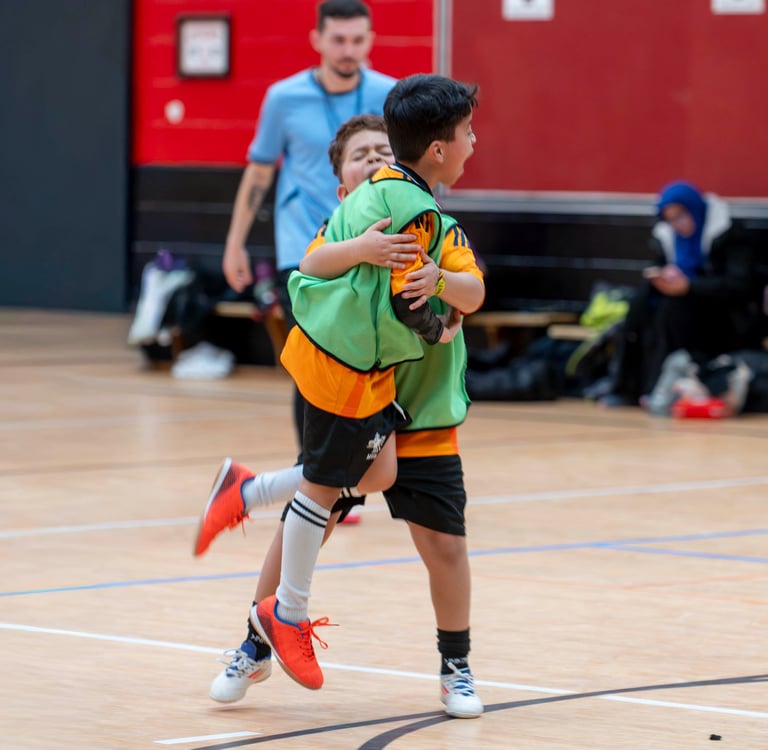
Because the ride home matters more than the score
The game just ended.
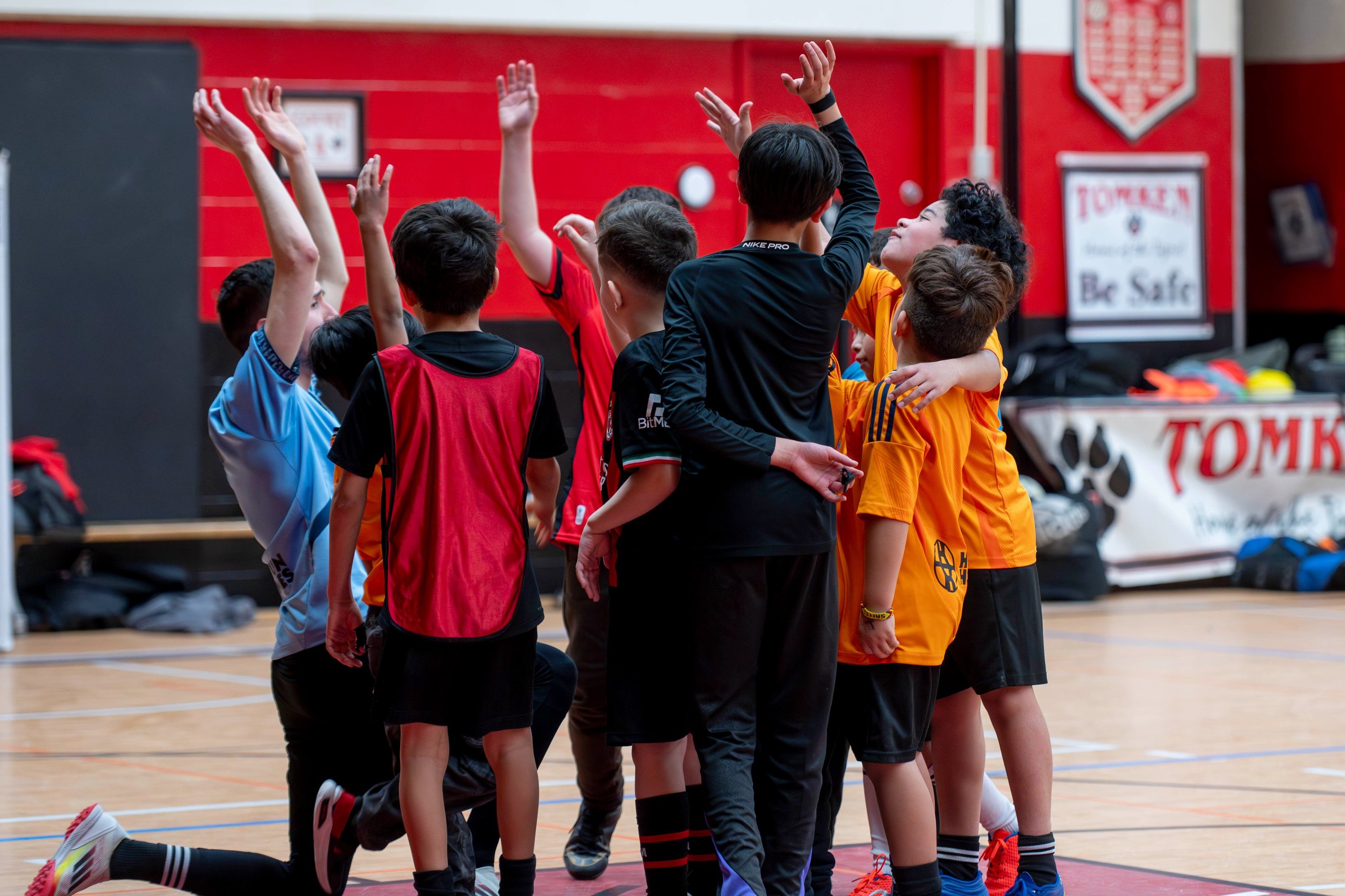
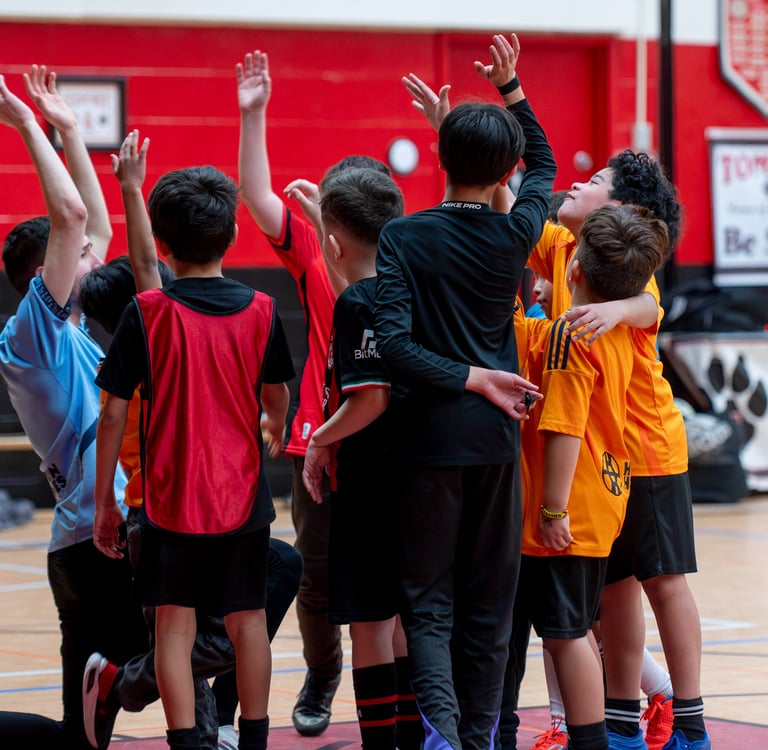
Some kids are celebrating.
Some are quiet.
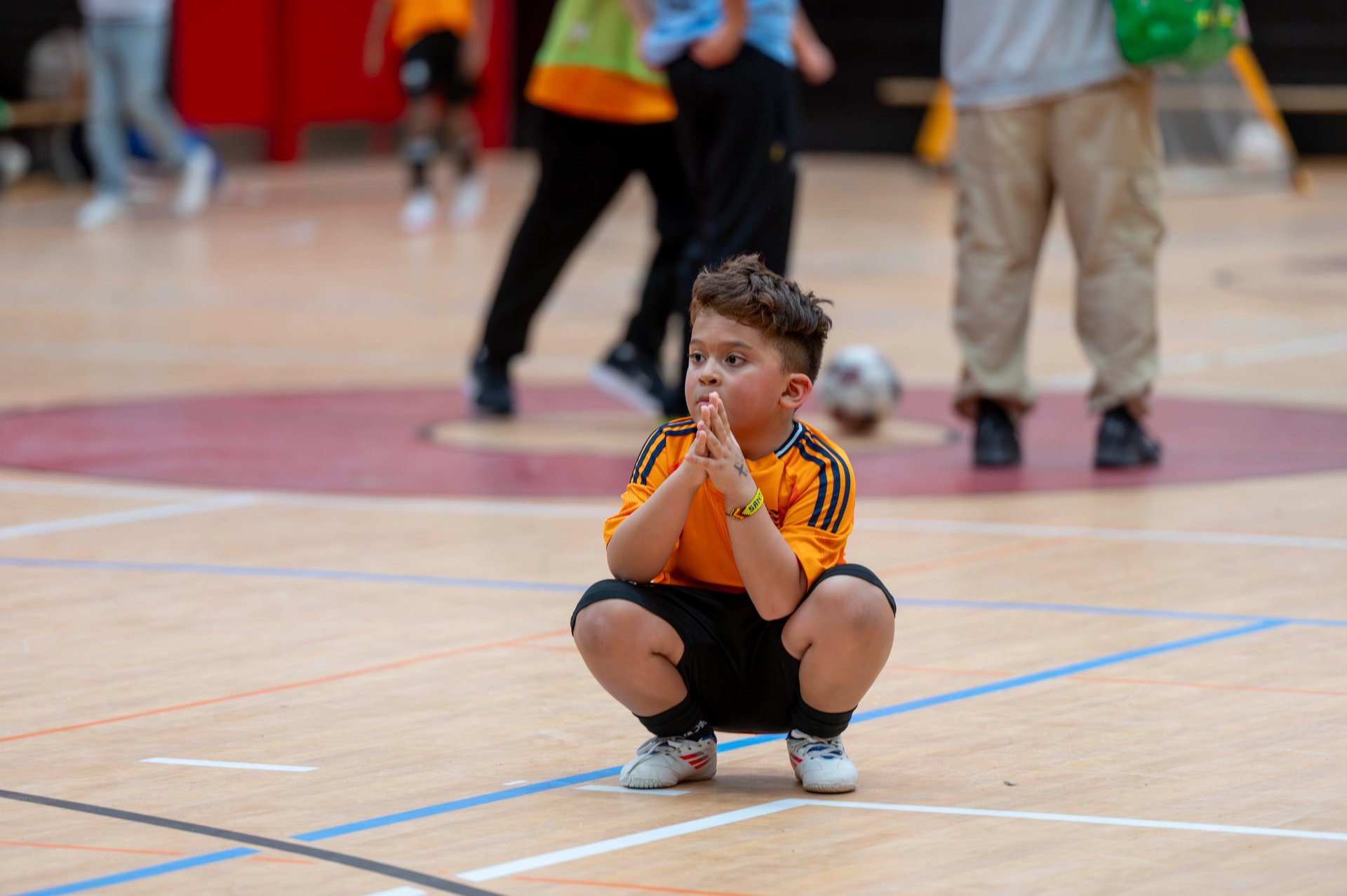
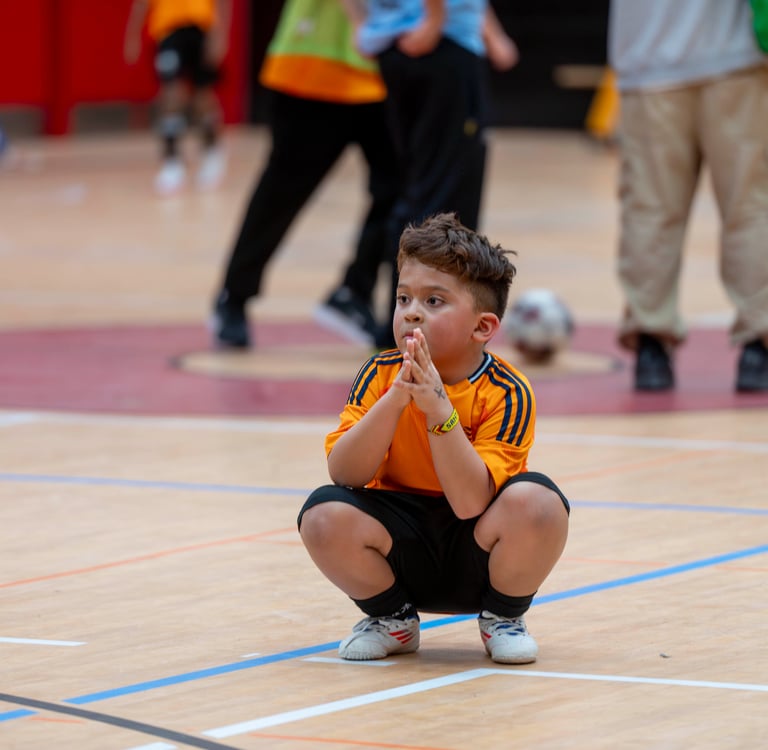
One child is frustrated after missing a goal.
Another is upset because the team lost.
Your child walks toward you.
You can usually see it on their face before they say a word.
Maybe they are proud.
Maybe disappointed.
Maybe trying not to hold back tears.
And in that moment, many parents ask themselves:
What should I say right now?
Because youth soccer is full of emotions.
The joy of scoring.
The frustration of mistakes.
The disappointment of losing.
The pride of improving.
For children, these feelings are big. But they are also one of the most valuable parts of sports.
Soccer teaches kids not only teaching kids how to play.
It is teaching them how to deal with emotions.
Learning to stay calm after mistakes.
Learning to try again after failing.
Learning to celebrate success with humility.
Learning to lose without giving up.
At MVB F.C., we believe these moments are just as important as learning techniques or tactics.
10 Things Parents Should Say After a Soccer Game (Win or Lose)
Here are phrases that help children process the emotional aspects of the game and continue to enjoy sports.
1. “I love watching you play.”
This reminds your child that your support does not depend on the result.
2. “What was your favorite moment today?”
This helps children reflect on the experience rather than only the score.
3. “I saw how hard you worked out there.”
Recognizing effort builds confidence and resilience.
4. “Mistakes are part of learning.”
Kids need to know that errors are normal in sports and in life.
5. “That looked like a tough moment. How did it feel?”
Helping children name emotions is the first step in learning to manage them.
6. “You kept trying even when it was hard.”
Persistence is one of the most valuable lessons sports can teach.
7. “What did you learn from today’s game?”
This encourages a growth mindset.
8. “Your team worked hard together.”
It reinforces teamwork rather than individual performance.
9. “Every game is part of getting better.”
This helps children see sports as a process rather than a test.
10. “I’m proud of you.”
Not because of the score. Because of the effort and courage to play.
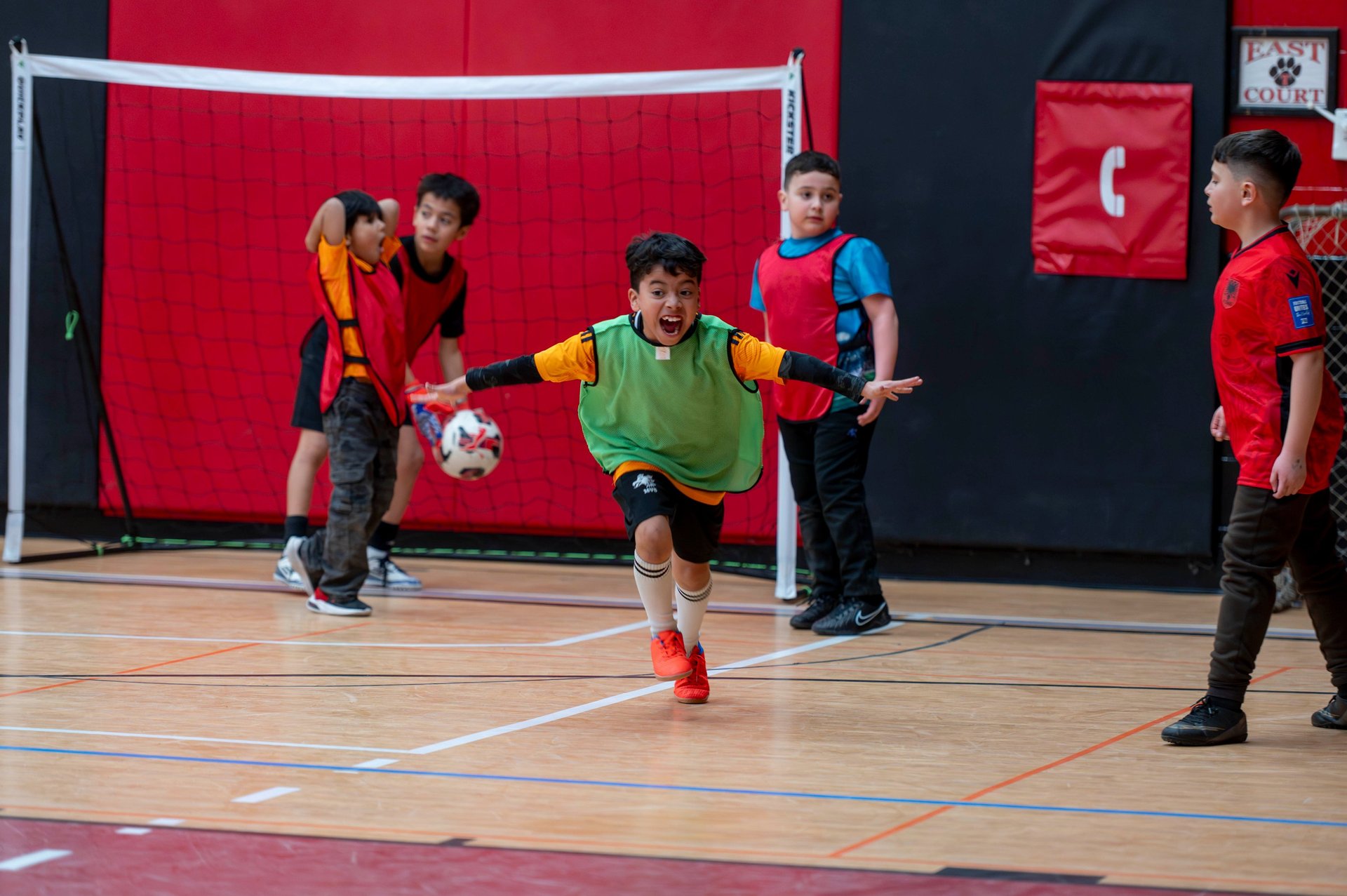
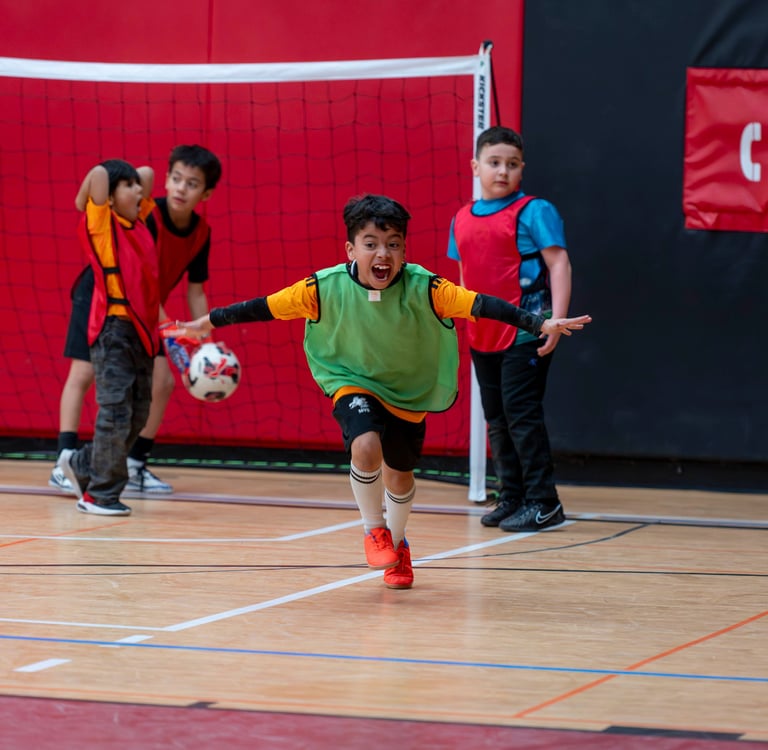
5 Things Parents Should Avoid Saying After a Game
Sometimes the wrong words can increase pressure without us realizing it.
Try to avoid these common phrases:
1. “Why didn’t you score?”
It turns the game into a test instead of a learning experience.
2. “You should have passed.”
Kids already know when something didn’t go well.
3. “The referee was terrible.”
This teaches kids to blame others instead of learning from the game.
4. “You were the best player.”
This can create pressure and comparison.
5. “Next time you have to win.”
Children should focus on effort and growth, not only results.
Questions many parents have
Why does my child cry after a soccer game?
Children invest emotionally in sports. Crying after a game often means they care deeply about their effort or their team. With support, these moments help them develop emotional resilience.
Is frustration in sports a bad sign?
No. Frustration is a normal part of learning. When children learn to work through it, they develop patience, perseverance, and confidence.
Should I talk about mistakes after the game?
It is usually better to give some time first. Immediately after a game, children often need emotional support more than analysis.
What helps kids enjoy sports long-term?
Research shows that children stay longer in sports when they experience:
• fun
• supportive coaching
• friendships
• encouragement from parents
The philosophy at MVB F.C.
At MVB F.C., we believe youth soccer should develop the whole child.
We train technique and game understanding.
But we also focus on something equally important:
Confidence.
Resilience.
Love for the game.
We want children to feel safe trying new things, making mistakes, and learning from them.
Because when kids enjoy the process, they grow not only as players, but as people.
Want your child to experience soccer in a positive environment?
If you are looking for soccer for kids in Mississauga, finding an environment where children can learn, make mistakes, and enjoy the game is essential.
At MVB F.C., we offer soccer programs for kids in Mississauga focused on development, confidence, and love for the game.
Our sessions combine skill development, small-sided games, and a supportive environment where kids can grow both as players and as people.
Good kids soccer training should focus not only on technique, but also on helping children grow emotionally through the game.
If you are looking for a place where your child can learn, play, and develop confidence through soccer, we would love to welcome your family.
Ready to see your child grow on and off the field?
Keep your child active, confident, and growing this winter. Join MVB F.C. for indoor and outdoor training programs in Mississauga that develop soccer skills, character, and a lifelong love for the game