Sign up for a free trial class today! - Email us at info@MVBfc.com to get started

What Kids Should Do After Soccer Training | MVB F.C. Mississauga
What Kids Should Do After Soccer Training. Hydration, nutrition, stretching, and recovery tips for young players at MVB F.C. Mississauga. Join programs now!
MVB F.C.
2/24/20264 min read
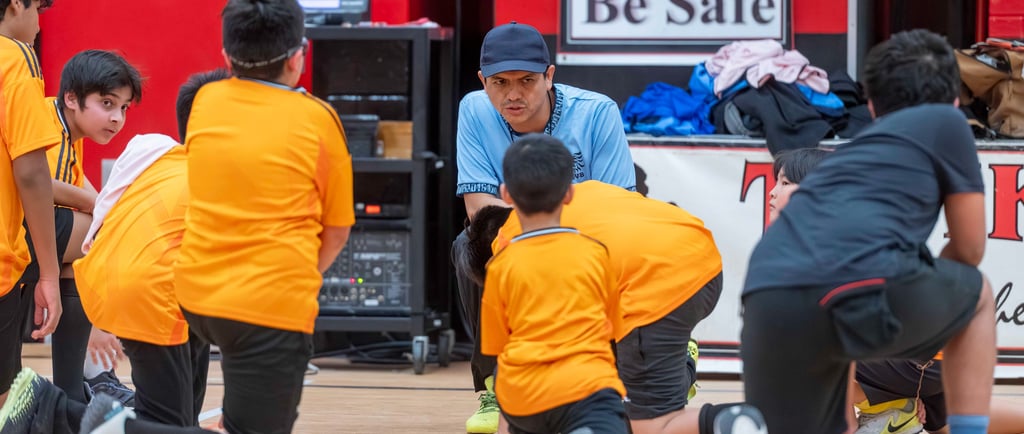
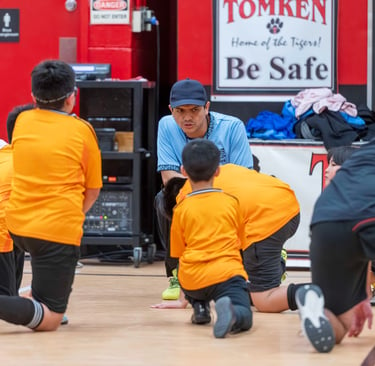
MVB F.C. players stretching after a 2 hour training session
Knowing what kids should do after soccer training helps improve recovery, reduce soreness, and prepare young players for their next practice or game.
Recovery Tips by Age from MVB F.C. Mississauga
At MVB F.C., development does not end when practice finishes. What children do after soccer training plays a big role in how they recover, grow, and perform in the next session.
Parents often ask us:
“What should my child do after training?”
Here is a simple, age-based guide to help your child recover properly after soccer training.
Why Recovery After Soccer Training Matters
Soccer uses energy, challenges muscles, and increases fluid loss through sweat. Proper hydration, nutrition, stretching, and sleep help prevent fatigue and reduce injury risk.
The Canadian Paediatric Society explains that hydration is essential for children participating in sports, and that water should be the primary fluid replacement after regular physical activity.
https://cps.ca/en/documents/position/energy-and-sports-drinks
In addition, sports science experts highlight that recovery in youth athletes includes hydration, balanced nutrition, stretching, and adequate sleep.
https://www.gssiweb.org/sports-science-exchange/article/sse-120-recovery-techniques-for-athletes
Now let’s break it down by program.
Ages 3 to 6
At this age, recovery should be simple and positive. The goal is building healthy habits while keeping soccer fun.
After training, your child should:
1. Drink water
Water is the best choice after training. Sports drinks are not necessary for regular youth activity, according to pediatric guidelines.
https://cps.ca/en/documents/position/energy-and-sports-drinks
2. Have a small snack within 30 minutes
A combination of carbohydrates and a little protein helps refill energy stores. AboutKidsHealth from SickKids Hospital recommends balanced recovery snacks for active children.
https://www.aboutkidshealth.ca/sports-nutrition
Examples
• Banana and milk
• Yogurt and fruit
• Crackers and cheese
3. Gentle stretching at home
We stretch during training, but a few relaxed stretches before bedtime help the body wind down.
4. Sleep well
Sleep supports growth, recovery, and learning. Children this age need consistent and sufficient sleep for healthy development.
5. Talk about the session
Ask simple questions such as “What was your favourite part today?” or “What did you enjoy at soccer?”
Keeping the conversation positive helps children associate soccer with enjoyment, learning and confidence.
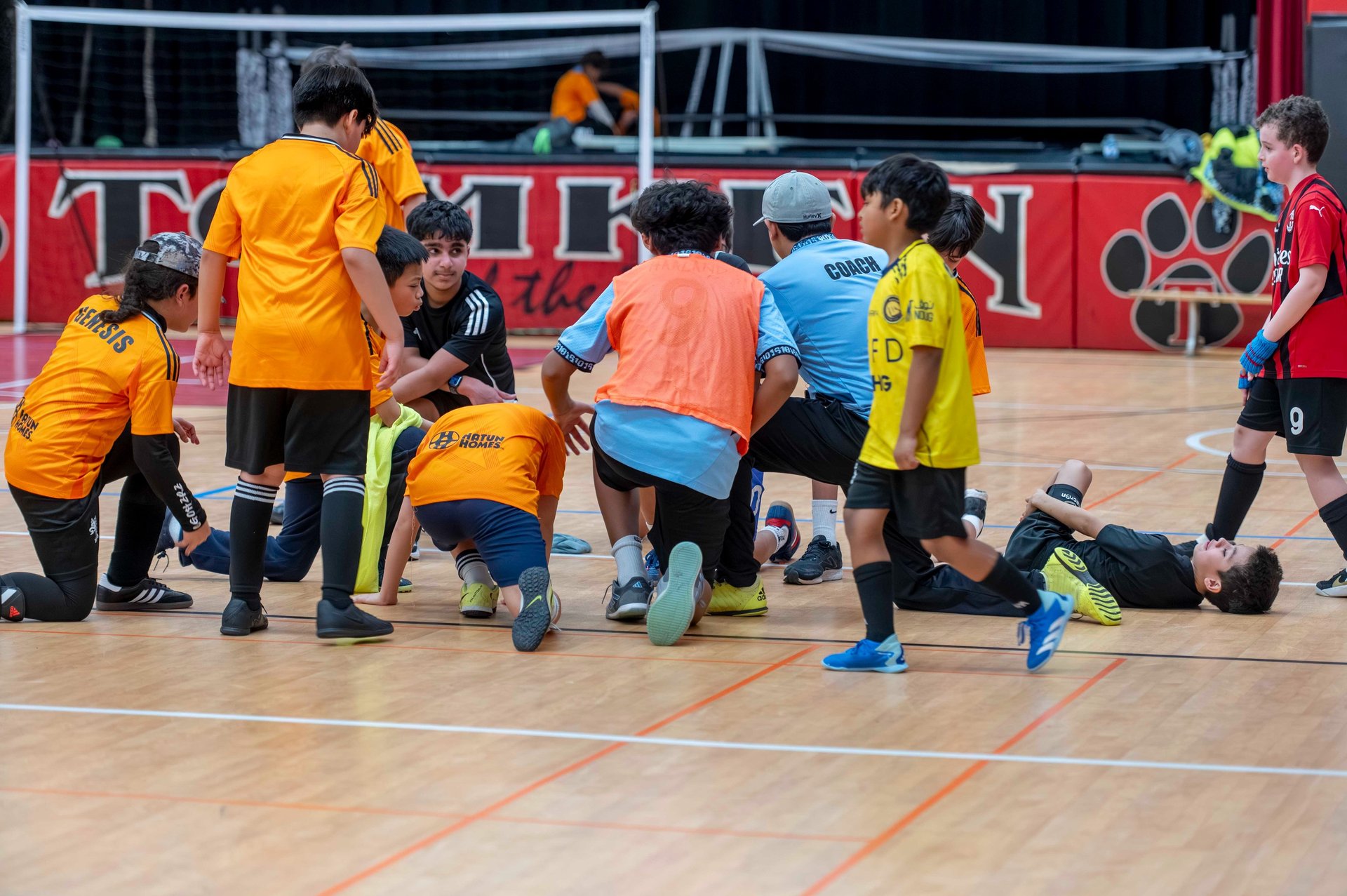
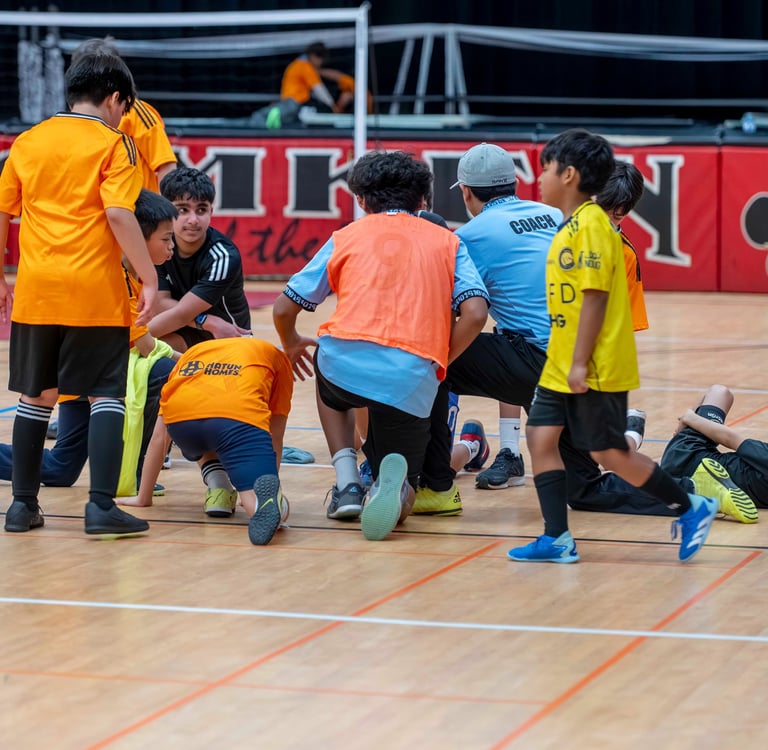
Ages 7–9
The Midfield Program
As training becomes more structured, simple recovery habits can help young players refuel, rehydrate, and get ready for their next activity.
After training, players should:
1. Rehydrate properly
Encourage water after practice and throughout the evening.
2. Eat a balanced meal
Young athletes should eat carbohydrates to restore energy and protein to support muscle recovery. Sports nutrition experts emphasize the importance of eating within the first hour after activity.
https://www.grsm.ca/sports-nutrition-for-young-athletes/
3. Stay lightly active
A short walk or light movement later in the evening helps reduce stiffness.
4. Stretch if tight
If they feel tension in hamstrings or calves, a few extra stretches help.
5. Rest days matter
Youth sports medicine experts recommend at least one to two rest days per week to prevent overuse injuries in growing athletes.
https://www.ncbi.nlm.nih.gov/pmc/articles/PMC5532199/
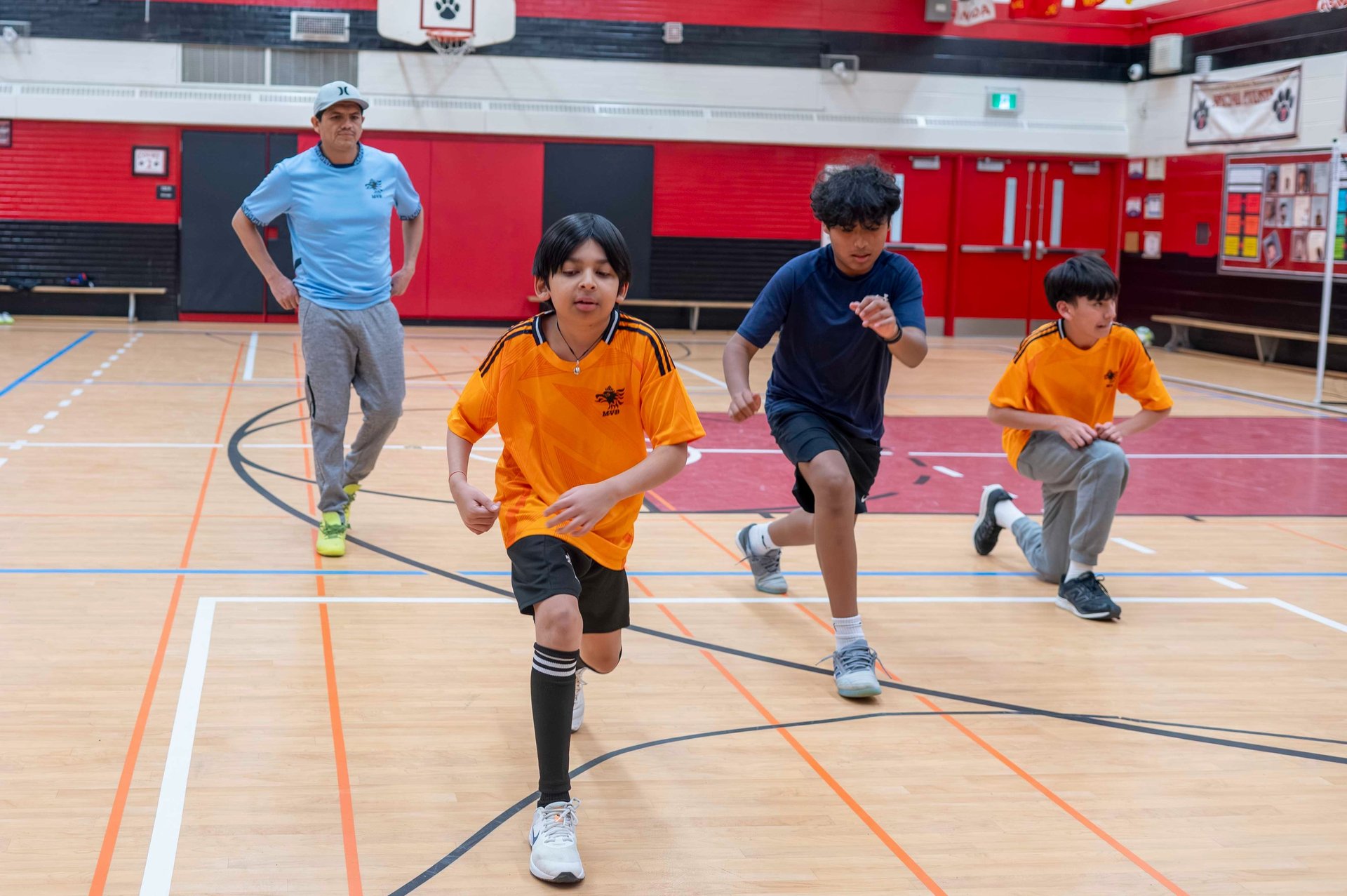
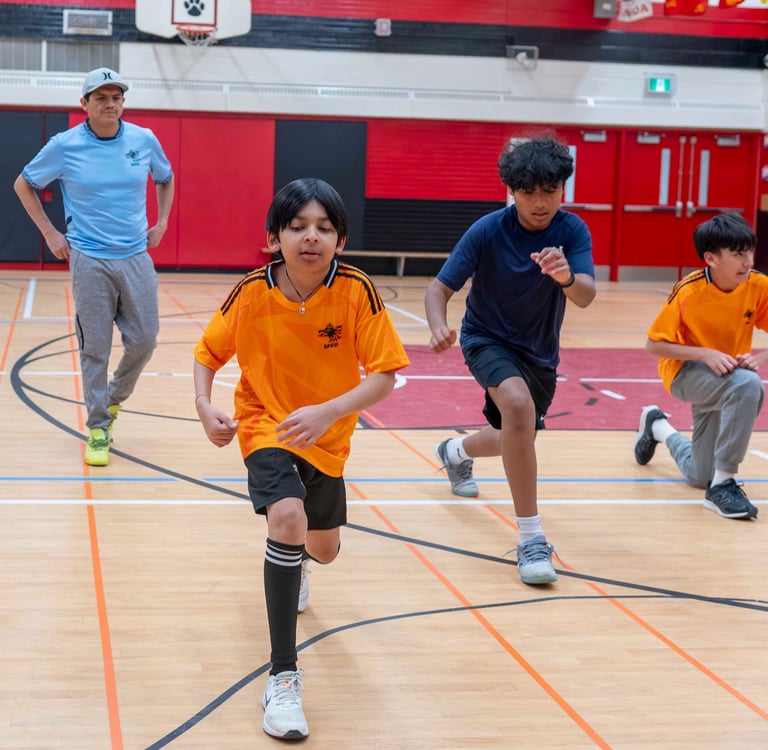
Ages 10–14
NextGen – The 2 Hour Club
At this age, players may be training with greater intensity and becoming more aware of how their habits off the field affect how they feel during training. A simple post-training routine can help them refuel, rehydrate and prepare for their next activity.
After training, players should:
1. Rehydrate consistently
Replacing fluids helps reduce fatigue and supports performance in the next session.
2. Eat within the first hour
A combination of carbohydrates and protein helps muscle repair and energy restoration. This is widely supported in youth sports nutrition research.
https://www.grsm.ca/sports-nutrition-for-young-athletes/
3. Continue stretching
Stretching maintains flexibility and supports muscle recovery after intense sessions.
https://www.gssiweb.org/sports-science-exchange/article/sse-120-recovery-techniques-for-athletes
4. Prioritize sleep
Preteens and teens involved in sports benefit from 8 to 9 hours of sleep for recovery and performance.
5. Avoid overload
Balance school, training, and rest. Recovery is part of development.
A Simple Post-Training Routine for Parents
On the way home
Water
Within 30 minutes
Healthy snack
Evening
Balanced dinner
Light stretch
Sleep on time
Small, consistent habits make a big difference over time.
Final Thoughts from MVB F.C.
At MVB F.C. in Mississauga, we focus on more than skills and drills. We care about long term development and healthy habits.
Recovery after soccer training is not complicated. It is about hydration, food, movement, and rest.
When children recover well, they feel better.
When they feel better, they play better.
And most importantly, they continue enjoying the game.
Ready to see your child grow on and off the field?
Looking for youth soccer training in Mississauga?
Explore MVB F.C. programs for players of different ages and skill levels, or register for a trial class.
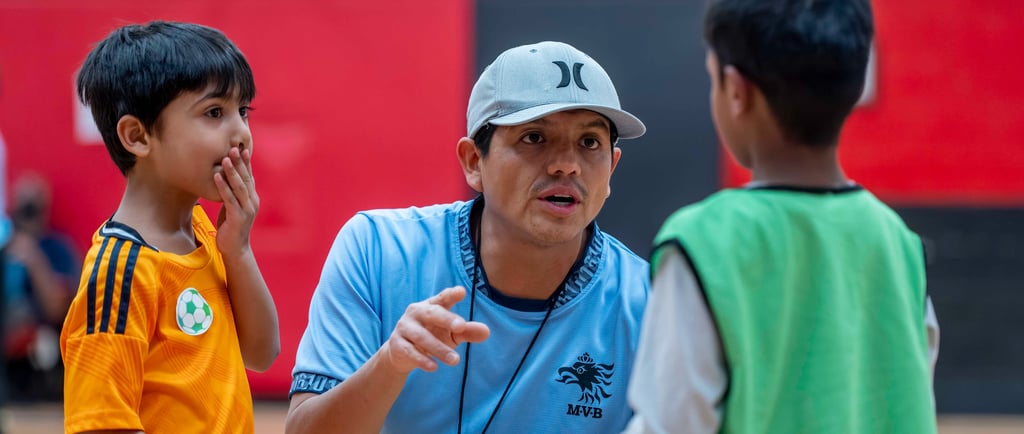
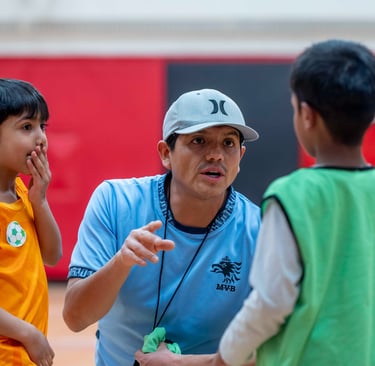
MVB F.C. 4 to 6 year olds training with their coach
MVB F.C. players after training
MVB F.C. players streching